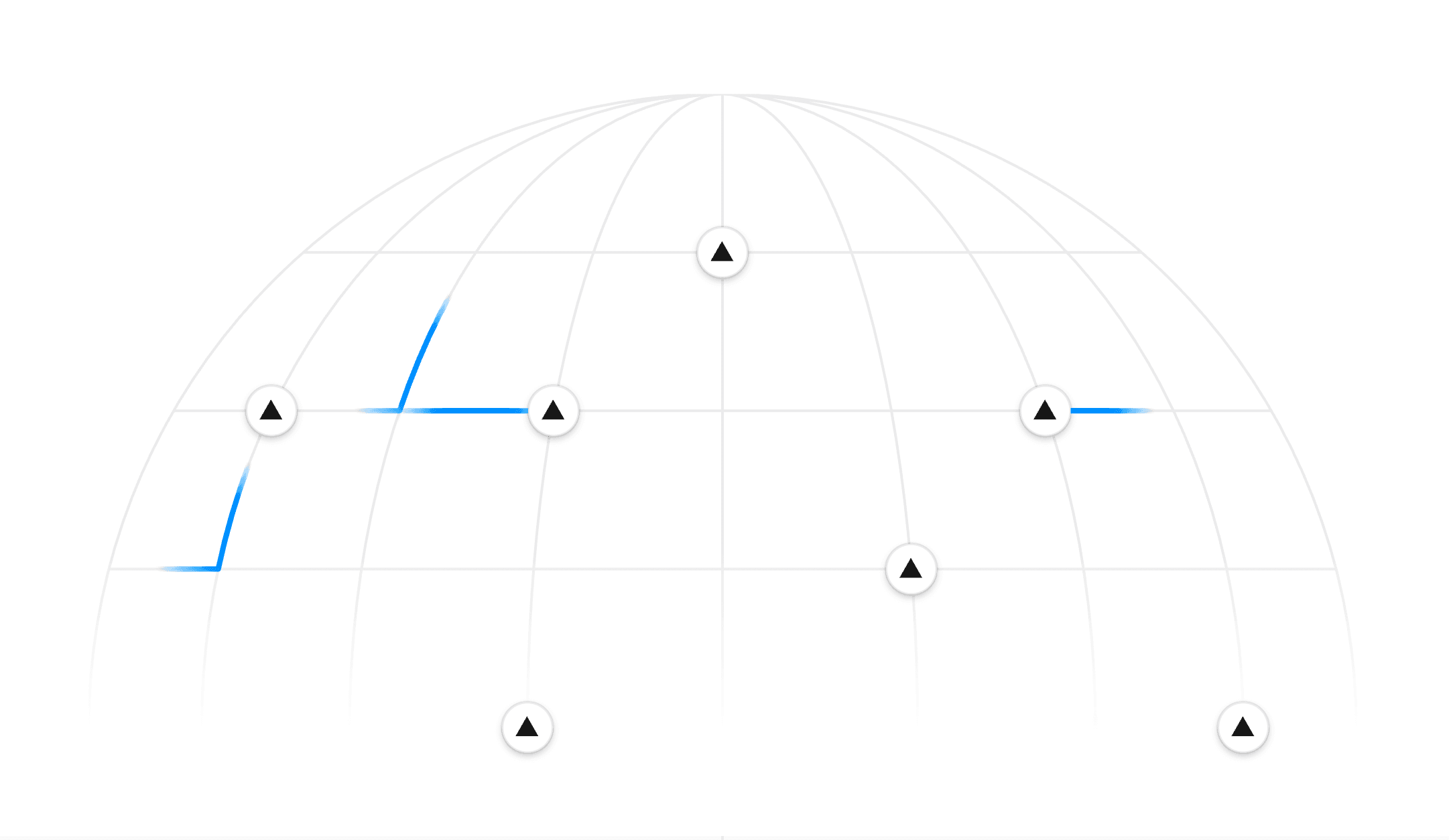
When you deploy a Next.js app with Incremental Static Regeneration (ISR), pages get regenerated on-demand after their cache expires. ISR lets you get the performance benefits of static generation while keeping your content fresh.But there's a problem. When many users request the same ISR route at once and the cache is expired, each request can trigger its own function invocation. This is called a "cache stampede." It wastes compute, overloads your backend, and can cause downtime.The Vercel CDN now prevents this with request collapsing. When multiple requests hit the same uncached path, only one request per region invokes a function. The rest wait and get the cached response.Vercel automatically infers cacheability for each request through framework-defined infrastructure, configuring our globally distributed router. No manual configuration needed.
Subscribe to Vercel Daily for unlimited access to all articles and exclusive content.

We’re updating Vercel’s Pro plan to better align with how modern teams collaborate, how applications consume infrastructure, and how workloads are evolving with AI.

The 150-year-old Norwegian brand leveraged Next.js and Vercel to achieve 30%+ conversion lift while competing against industry titans
At Vercel, we integrated AI into our support workflow. Our AI agent reduced human-handled tickets by 31%, allowing us to maintain high support standards while serving a growing customer base.
