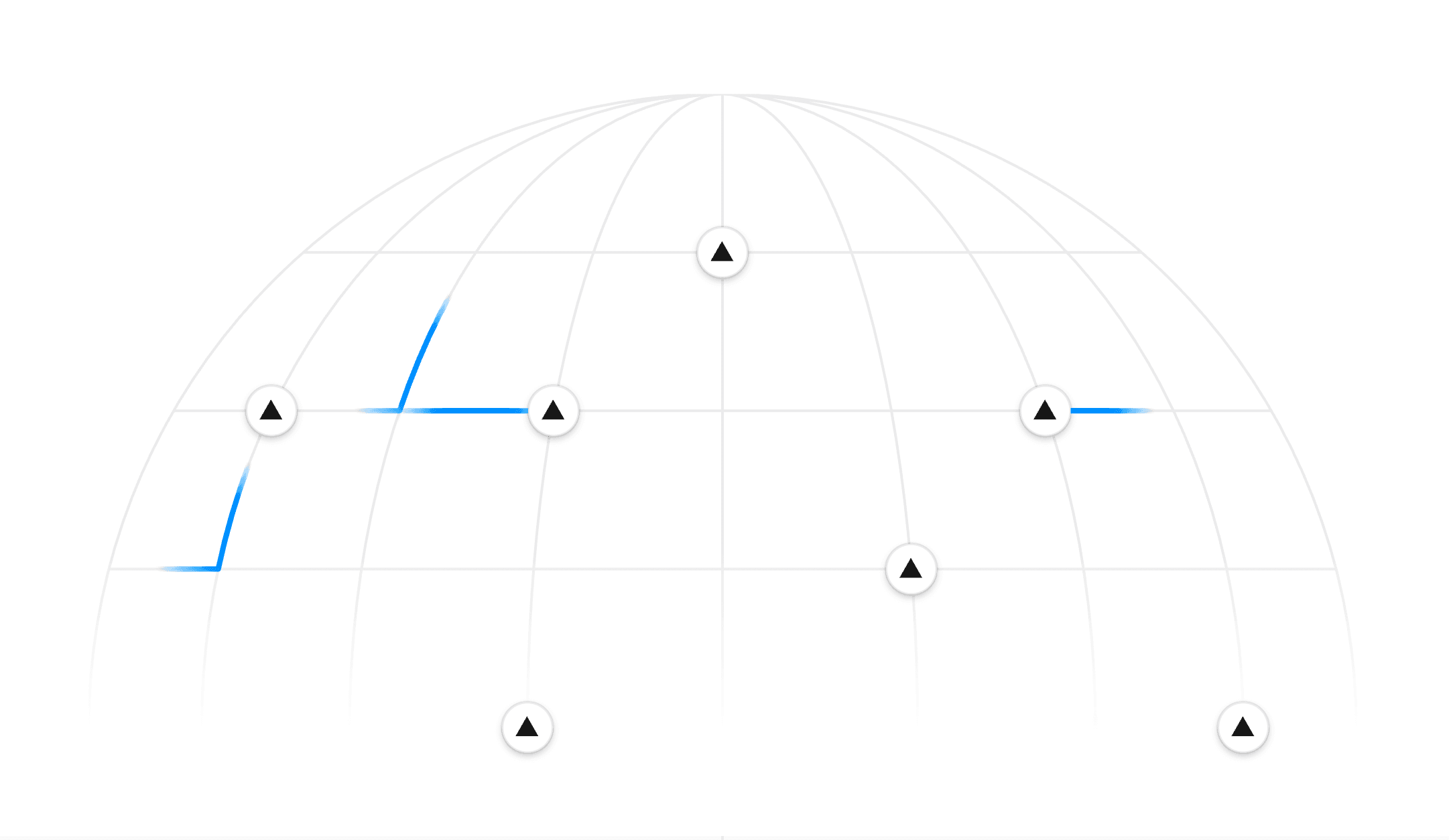
When you deploy a Next.js app with Incremental Static Regeneration (ISR), pages get regenerated on-demand after their cache expires. ISR lets you get the performance benefits of static generation while keeping your content fresh.But there's a problem. When many users request the same ISR route at once and the cache is expired, each request can trigger its own function invocation. This is called a "cache stampede." It wastes compute, overloads your backend, and can cause downtime.The Vercel CDN now prevents this with request collapsing. When multiple requests hit the same uncached path, only one request per region invokes a function. The rest wait and get the cached response.Vercel automatically infers cacheability for each request through framework-defined infrastructure, configuring our globally distributed router. No manual configuration needed.
Subscribe to Vercel Daily for unlimited access to all articles and exclusive content.
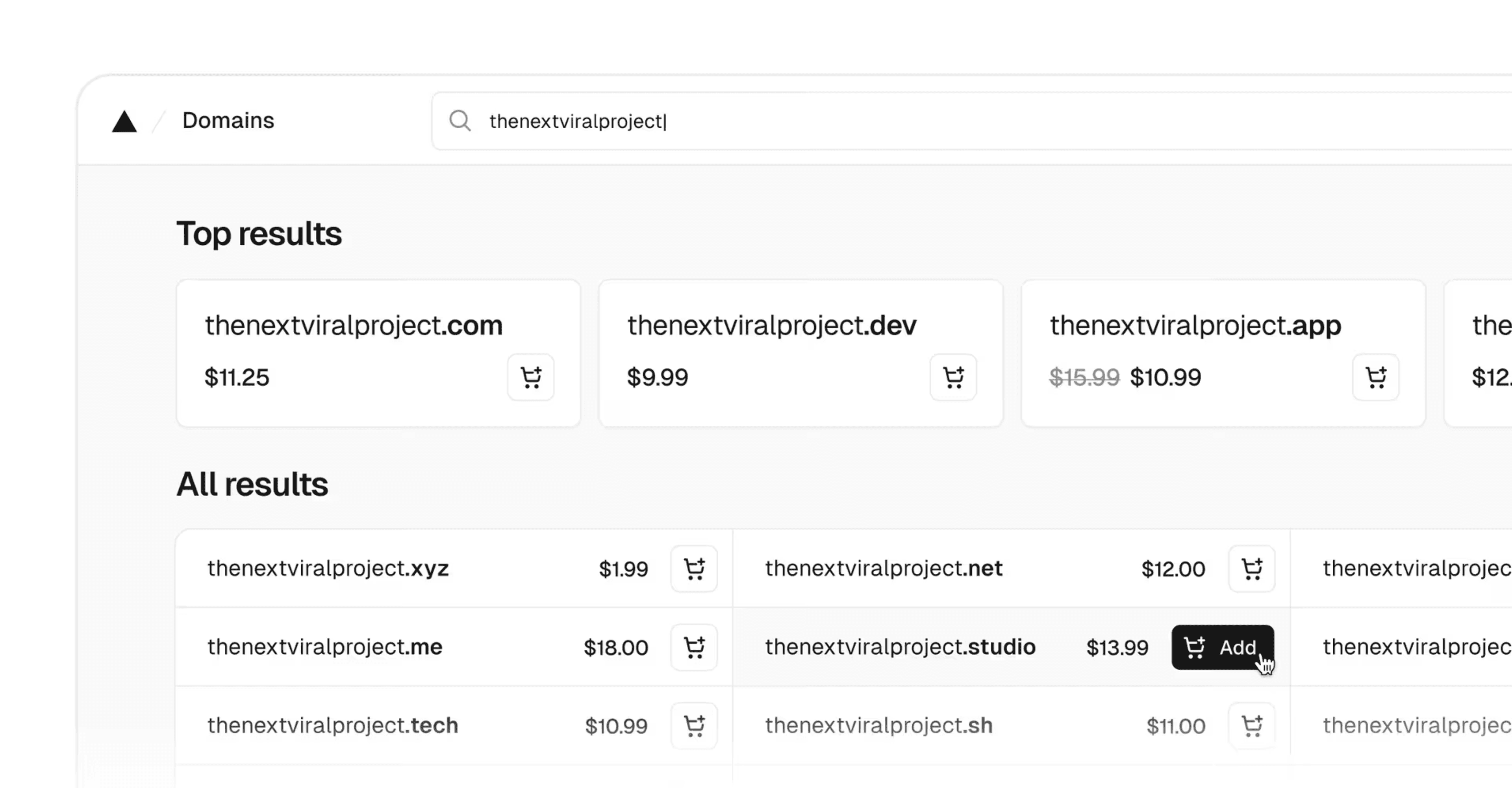
We’ve rebuilt Vercel Domains end to end, making it faster, simpler, and more affordable to find and buy the right domain for your project.

Frame.io's users "see in milliseconds," so every interaction, animation, and frame within a user's web experience matters.

NuxtLabs, creators and stewards of Nitro and Nuxt, are joining Vercel.
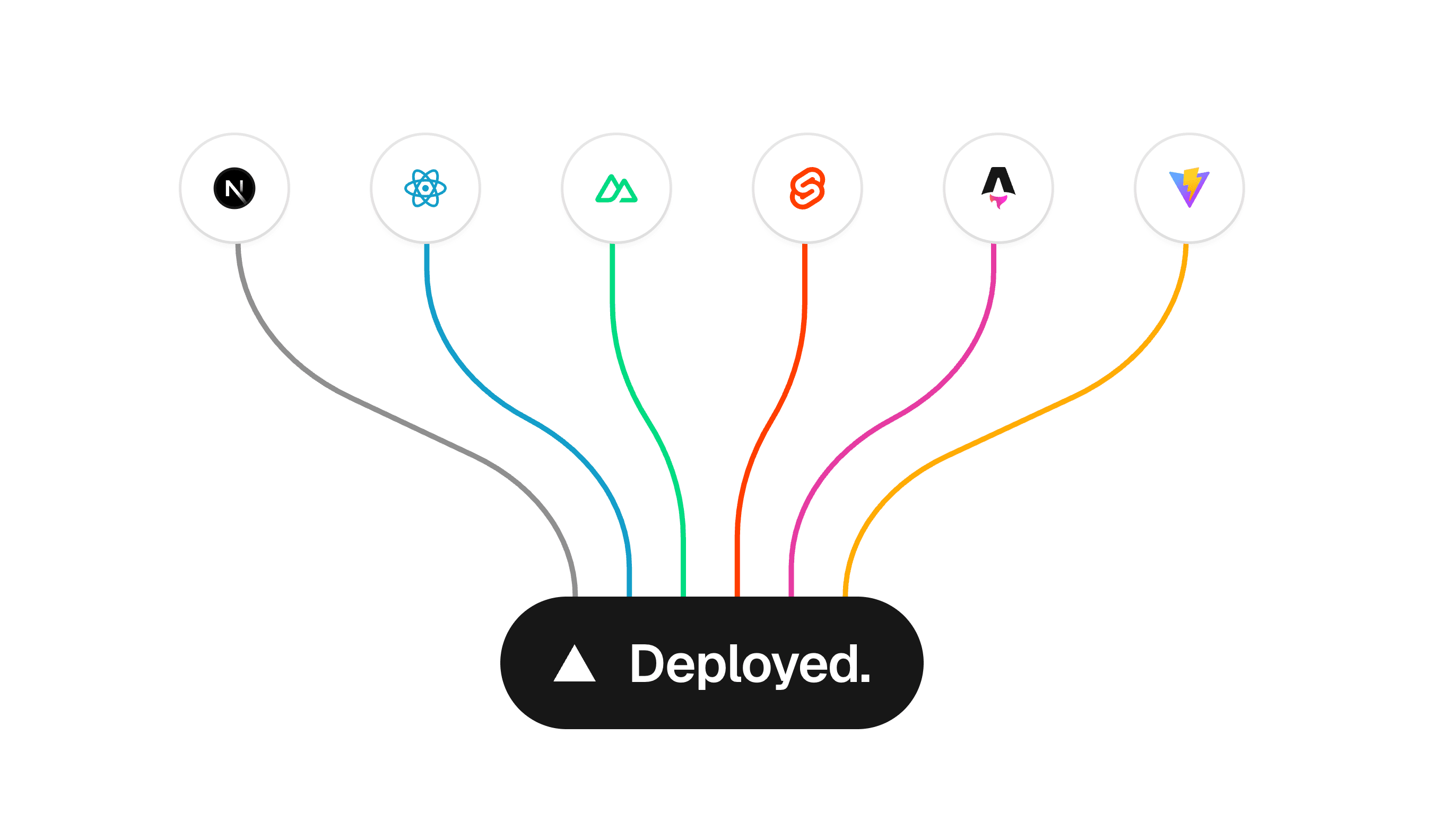
Starting October 15, 2025, Vercel will update the default deployment retention policy for all projects currently using the legacy “unlimited” setting
